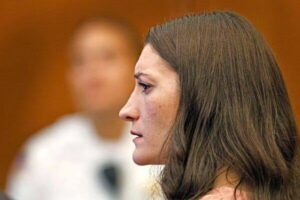


Photo: Judge Carol Erskine (ret)
OP-ED Reprinted from the Worcester Telegram and Gazette 12/21/2025
The release of the Office of the Child Advocate investigation into the death of A’zella Ortiz is heartbreaking – but hardly surprising in a state where children’s rights too often become an afterthought in the assessment of safety risks. Recent trends favoring “family preservation” and rapid reunification, while very appropriate in many cases, have in others come at a tragically high cost: children’s lives.
This trend is not accidental. Federal law financially incentivizes states to keep children at home while parents have open abuse and neglect cases. Foster care is expensive, and before 2018, Title IV-E reimbursed states for eligible foster care and adoption assistance. In 2018, the funds were restricted for many out-of-home placements and new federal dollars were redirected toward “prevention services” aimed at keeping children “safely” at home. Sadly, they are not always safe.
This was the case with A’zella’s tragic death, which followed lengthy involvement with the Department of Children and Families. The child advocate’s office investigation makes clear that multiple opportunities existed to protect her and her siblings, but were missed. The report states that the office released this investigation publicly because it “is illustrative of the concerns the OCA has raised in previously released investigation reports.”
Those “concerns” in reality refer to other murdered children, including Harmony Montgomery and David Almond, whose cases are relegated to a footnote in the report. Yet beyond this mention, the report gives no meaningful acknowledgment that A’zella’s death is part of an unmistakable pattern of child deaths, one the commonwealth can no longer ignore.
At the Dec. 10 press conference, Office of Child Advocate Director Maria Mossaides was asked whether it was finally time for lawmakers to pass the Harmony Commission bill – a bill I have worked on with Sen. Michael Moore and Harmony’s brother’s dads for three years. Instead of answering, she pointed to the DCF attorney’s opposition at trial to placing Harmony with her father, implying the tragic cases are different. But that’s not the full picture.

The child advocate’s office’s own report revealed that DCF presented a weak case and that the foster care review panel recommended placement of Harmony with Adam Montgomery just weeks before trial, despite his history of extreme violence. The panel projected placement with him “by December 2019” if he completed services. He didn’t, just as Azella’s father didn’t. Instead, Harmony was killed that same month in 2019 – beaten to death after the court granted custody to her father earlier that year. And now, A’zella has reportedly died from multiple blunt force injuries, allegedly caused by her father.
Despite Mossaides’ decade of tremendous work for the commonwealth’s children while at the Office of the Child Advocate, her evasive answer about the Harmony Commission bill continues a familiar pattern: The commonwealth prefers to speak of these cases as “policy and practice gaps” rather than admit that the commonwealth is failing to protect children from death at the hands of the very caregivers it leaves them with or returns them to.
Even more disturbing is the commonwealth’s disregard for the rights of children with disabilities, who are the most vulnerable victims of systemic dysfunction. Harmony, David and A’zella were all children with disabilities, as are A’zella’s siblings, giving rise to heightened protections under the Americans with Disabilities Act.
Yet Harmony languished on a waitlist for services. David Almond was given a DCF “action plan” requiring him to “learn to keep himself safe,” an absurdity for a disabled boy abused and purposefully starved to death in the home while in state custody. A’zella and her siblings desperately needed early intervention services that their parents never secured. DCF knew this, documented it and repeatedly wrote the same unmet requirement into action plans without ensuring the services were actually in place.
The Americans with Disabilities Act provides a clear mandate prohibiting discrimination against individuals with disabilities. The fact that three Massachusetts children, each entitled to federal protections, were murdered or allegedly murdered while under state supervision demands far more than another report. It demands a federal investigation before more children die.
Every child in state custody or under DCF oversight deserves the dignity of having the commonwealth tell the truth. The reality is that the child welfare system does not prioritize the best interests of children, particularly those with disabilities.
This isn’t about blaming DCF social workers who I came to respect for the incredibly difficult and often dangerous job they do. It’s bigger than that. These failures permeate every branch of government at the highest levels. The Friends of Children organization said it best: “We have fallen into a nightmarish cycle in Massachusetts. For years, we have been imploring our leaders to step outside the cycle of tragedy and follow up on the endless investigations. … The silence that has followed our requests has been deafening.”
If Massachusetts refuses to break the silence, then the U.S. Department of Justice’s Civil Rights Division must. The lives of our children depend on it.
Carol Erskine is a retired first justice of Worcester Juvenile Court.