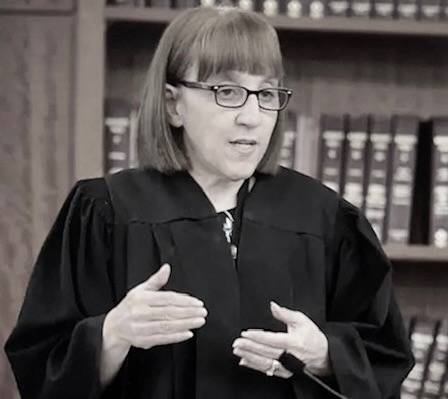
The Justice File is a platform for truth, accountability, and reform—focused on how the law affects vulnerable children. Founded by former Massachusetts Juvenile Court Judge Carol Erskine, a Top Ten Massachusetts lawyer and author of A Cruel Injustice, the site features analysis, trial commentary, and investigative reporting on child welfare, constitutional rights, and domestic violence. Drawing on 21 years on the bench, Judge Erskine exposes systemic failures and calls for justice through articles, media appearances, and legal commentary.
Sweet Harmony Montgomery should still be alive. Instead, her tragic death has left her half-brother Jamison—now adopted by two loving dads—grieving the sister he adored. Unaware of the public outrage surrounding her case, Jamison simply says, “I wish she wouldn’t have died.” When a Massachusetts court gave custody of Harmony to her violent father in New Hampshire, her fate was sealed. Even in death, officials and lawyers have worked to silence her story to protect their own failures.

If Lindsay Clancy is found not guilty by reason of insanity (lack of criminal responsibility in Mass.) this is a full explanation of exactly how the law works and what can happen:
Under G.L. c. 123, § 16, the court may first order her hospitalized for up to 40 days for
While we wait for the jury in the Lindsay Clancy case, I have one request for journalists, podcasters, media outlets, and social media sites that have followed this trial: whatever verdict ultimately comes in the horrific and brutal killing of three beautiful children, step away
Kevin Reddington’s decision to end his cross-examination of Dr. Saathoff by reading from the prosecution’s own opening statement was a masterful strategy. The Commonwealth’s final expert responded that its narrative “really minimizes what she was going through”—effectively
Just a note that the photo was a Pool Photo by Greg Derr/The Patriot Ledger).
I lost count of how many of the CW's witnesses, including today's witness testified that Lindsay wasn't hospitalized because she didn't have a plan. Yet again, the "suicide plan" rears its ugly head. Can anyone show me a requirement under MGL c. 123 that says that? Thought so.

A lot is being made of the testimony that Lindsay Clancy did not have a specific suicide “plan.” That is NOT the Massachusetts legal standard. It’s not in the statute or the DMH regulations. G.L. c. 123, §1 does not require a formulated suicide plan. Neither the statute nor the