
For generations, Massachusetts has struggled with what should be a simple obligation: protecting and treating its most vulnerable people with dignity, humanity and competent care.
The names of the institutions have changed. The laws have changed. The treatments
have changed.
The failures have not.
The Dark Side: A Dangerous Experiment

The history reaches back to places like the Fernald School, where children with intellectual, developmental, behavioral and psychiatric struggles were segregated from society. Some vulnerable boys who never belonged there were institutionalized. Most disturbing, vulnerable residents were used in experiments in which radioactive substances were placed in food without the informed consent we would require today.

Eventually, Massachusetts rejected the massive institutions of that era and embraced community-based treatment.
But closing institutions did not eliminate the state’s obligation to care for the people who once would have lived inside them.
It simply changed that obligation.
As psychiatric treatment evolved, powerful antipsychotic medications became an increasingly important tool. But Massachusetts’s highest court recognized something critical about them more than forty years ago.
From Institutions to Medication: The Rogers Case

In Rogers v. Commissioner of the Department of Mental Health, the Supreme Judicial Court held that antipsychotic medication constitutes “extraordinary treatment, due to their intrusive nature and severe potential side effects, meaning they cannot be ordered by a medical professional alone when a patient is unable to give informed consent for treatment with these powerful medications. A court, not a doctor must make the treatment decision. To this day, many psychiatrists question why the courts should intervene with their recommended treatment with these powerful drugs, a position that ignores the very rights protected by informed consent laws.
The principle in Rogers, was profound: being mentally ill—even being involuntarily committed—does not strip a person of the right to control his or her own body.
Rogers was therefore another chapter in the same evolution away from paternalism: vulnerability does not diminish human dignity or bodily autonomy.
Yet protecting a person’s right to refuse treatment solves only half of the problem.
The state must also ensure that people who desperately want and need mental-health treatment can actually obtain effective, coordinated care and services.
That brings us to Rosie D.
A Federal Judge Finds Massachusetts Mental Health System Failing Its Children

In 2006, federal judge. Hon. Michael Ponsor found Massachusetts in violation of federal Medicaid law for failing to provide necessary behavioral-health services to children with serious emotional disturbances.
Rosie D. v. Romney wasn’t about a handful of unfortunate cases. It exposed a systemic failure of the Massachusetts mental health system.
Judge Michael Ponsor wrote:
“Children with serious emotional disturbance are among the most fragile members of our society.”
He described why coordinated community treatment mattered so much. Without it, he warned, a child could face “a stunted existence, eked out in the shadows and devoid of almost everything that gives meaning to life.”
The resulting remedy required Massachusetts to develop the coherent system of community-based care that these children should have had in the first place.
Think about that.
It took federal litigation and a federal judge to force Massachusetts to restructure the way it provided mental-health services to some of its most vulnerable children. And he didn’t trust state officials to do it alone. For fifteen years until 2021, Massachusetts was under a federal monitor to force it to comply with the court’s orders. But Rosie D advocates will tell you not much has changed.
Then Came Marsters
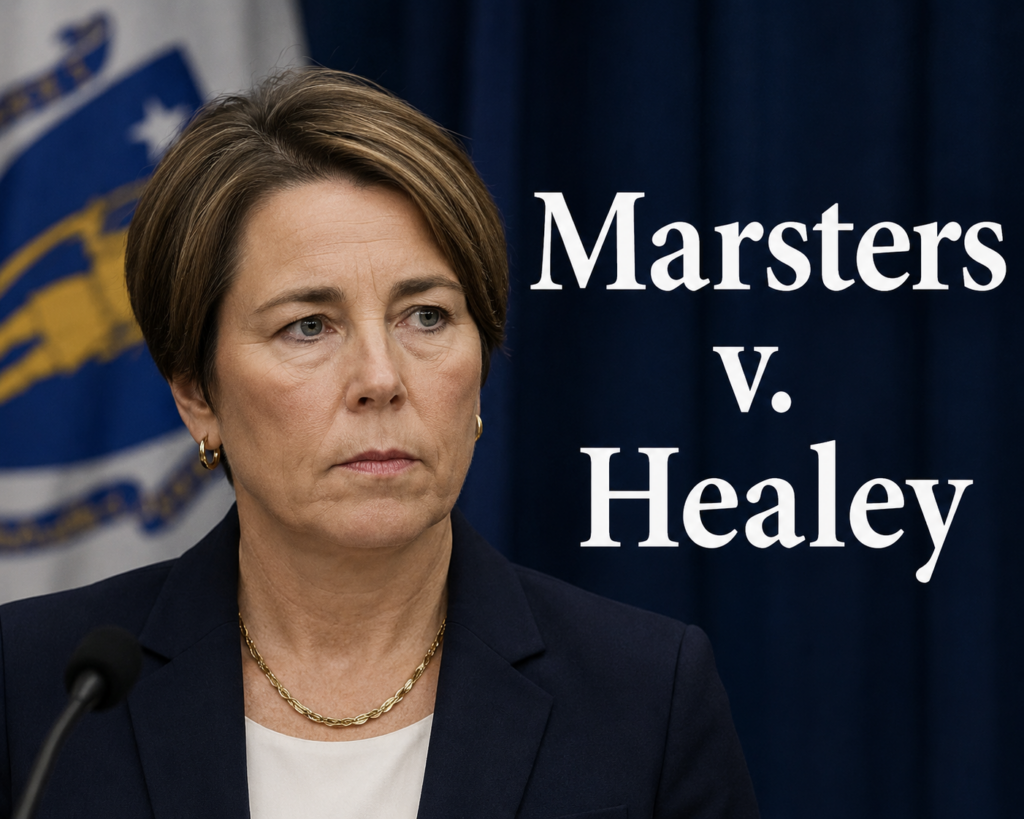
Nearly two decades later came Marsters v. Healey.
This time the plaintiffs were adults with disabilities—including people with serious mental illness—living in nursing facilities. They alleged that Massachusetts’s system left people unnecessarily institutionalized when appropriate services could permit them to live in their communities.
Different plaintiffs. Different law.
Same fundamental question:
Does Massachusetts build its systems around what vulnerable people actually need, or around what the system happens to provide?
Massachusetts settled Marsters in 2024, agreeing to substantial reforms intended to expand housing and badly services to thousands of vulnerable people who were denied them.
Unlike Rosie D., Marsters settled, agreeing to make extensive changes to provide appropriate community care for residents, likely to avoid another judicial finding that Massachusetts violated federal law. Yet, the recurrence of systemic litigation should concern all of us.
And Now: There Is Lindsay Clancy
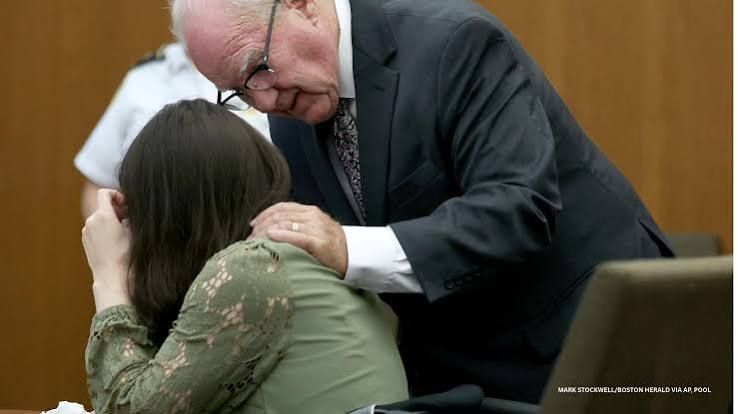
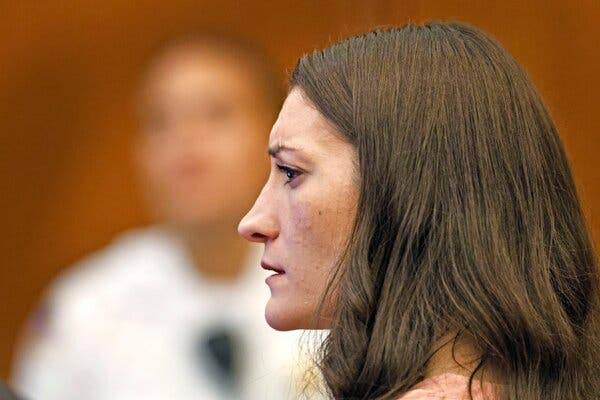
The case of Lindsay Clancy has put the Massachusetts mental-health system on trial in the court of public opinion.
We have heard evidence about a woman experiencing serious psychiatric symptoms who repeatedly sought treatment. We have heard about suicidal thoughts, calls for crisis assistance, psychiatric hospitalization, numerous psychiatric medications, multiple clinicians and sharply competing opinions about diagnosis and treatment.
And yet there was no coherent answer to the most fundamental question:
Who was responsible for seeing the whole patient?
That question sounds hauntingly familiar.
Decades earlier, Rosie D. described a fragmented children’s mental-health system in which services were inadequately coordinated.
Today we hear many of the same problems and failures described in different language: multiple prescribers, different medications, various clinicians, a hospitalization, medication changes, outpatient follow-up through a screen, crisis services—and families left trying to navigate the spaces between them.
Medication is an essential and sometimes lifesaving component of psychiatric treatment. But a prescription is not a mental-health system service.
And changing medications cannot substitute for accurate diagnosis, careful monitoring, suicide-risk assessment, family involvement when appropriate, psychotherapy, coordinated treatment and meaningful continuity of care.
The Same Questions, Generation After Generation
That is what connects Fernald, Rogers, Rosie D., Marsters and what we are witnessing today. Why do these failures keep happening? When will Massachusetts truly respect the rights of the mentally ill?
Fernald taught us the danger of treating vulnerable people as objects of institutional and coercive control by those who were supposed to care for them, rather than human beings entitled to dignity.
Rogers taught us that psychiatric patients retain autonomy and that powerful medical treatment cannot simply be imposed because someone else believes it is appropriate.
Rosie D. demonstrated that rights mean little when the community mental-health services for vulnerable children do not actually exist or cannot be effectively accessed.
Marsters confronted the continuing consequences when people with disabilities cannot obtain the community supports necessary to avoid institutionalization.
And the Clancy trial should force Massachusetts to ask whether our modern mental-health system remains too fragmented, too medication-centered and too willing to mistake contact with the system for actual treatment.
I spent years as a lawyer litigating mental health cases for two hospitals and even longer on the bench watching children, adults and families struggle with this system. When I left the bench in 2023, the waitlist for mental health services wasn’t weeks; it was months.
The Clancy case is an indictment of a system that repeatedly asks individuals to compensate for its structural failures.
Warnings: The Signs Have Been There For Decades

Nearly two centuries separate Fernald from the mental-health system we have today.
We have closed the institutions. We have enacted laws. We have recognized constitutional rights. We have created agencies, programs, medications and layers of regulation. Federal courts have intervened. State courts have intervened.
And still vulnerable Massachusetts residents and their families too often find themselves asking the same desperate question:
Where do I go to get the help I actually need?
Massachusetts has been warned repeatedly.
Fernald was a warning.
Rogers was a warning.
Rosie D. was a warning.
Marsters was a warning.
The Clancy case should be another. It should be the final warning.
How many warnings does Massachusetts need before it finally builds a mental-health system worthy of the people whose lives depend upon it?